
How to Choose the Right Mechanic in the USA for Used Engine and Transmission Installation?
Installing a Used Engine or Transmission in the USA: What Car Owners Need to Know
For many people in the U.S., installing a used engine or transmission in their car or truck is a smart and cost-effective way to extend the life of their vehicle. With rising vehicle prices, higher interest rates, and longer loan terms, replacing a vehicle has become significantly more expensive. As a result, many owners are choosing to repair rather than replace.
When done correctly, installing a used powertrain can restore reliability and performance at a fraction of the cost of buying a new or remanufactured unit.
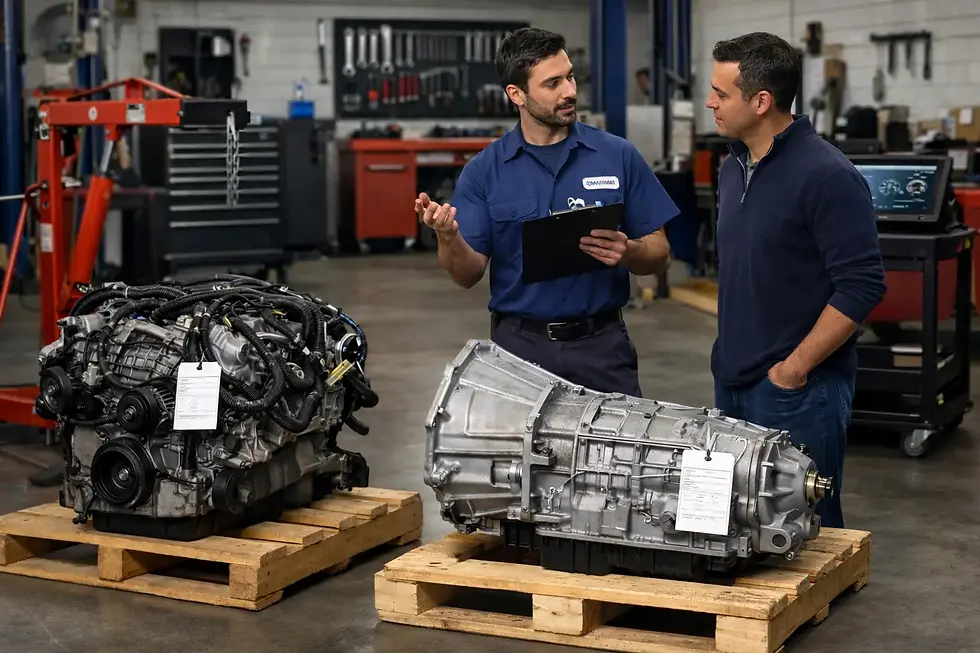
Used engines and transmissions are widely available through salvage yards, recyclers, and specialty providers across the U.S. Many of these units come from low-mileage vehicles, accident-damaged cars, or vehicles retired for non-mechanical reasons. This makes used powertrains a practical option for owners who want dependable transportation without purchasing a new vehicle.
However, the quality of installation matters more than the part itself. Even a low-mileage, well-maintained engine swap can fail prematurely if it isn’t properly inspected, prepared, and calibrated before installation. Choosing the right repair shop directly affects safety, reliability, and long-term ownership costs.
1. Knowledge of Used Engines and Transmissions
Installing a used engine or transmission requires specialised expertise beyond standard repair work. Unlike new or remanufactured units, used powertrains come with an unknown history. Before installation, one must identify internal wear, tolerance variations, and hidden damage, which are not always visible.
Experienced mechanics understand how to detect potential problems early. This includes recognizing compatibility differences between model years, drivetrain variations, and electronic system mismatches that may not be obvious at first glance. Without this experience, small mistakes can lead to drivability issues, warning lights, or complete failure shortly after installation.

What Experienced Mechanics Typically Do Well
Compatibility: Verification involves decoding the VIN, identifying the correct engine family, confirming drivetrain configuration, and ensuring emissions compliance to prevent costly mismatches.
Inspection of common engine problem failure points: We inspect seals, sensors, wiring connectors, engine mounts, and used transmission housings for potential damage during removal or transport.
Experience reduces guesswork and risk. Shops that routinely install used engines and transmissions follow systematic procedures that improve reliability and reduce post-installation issues.
2. Written Guarantee of Work
Many vehicle owners assume that the warranty on a used engine or transmission covers everything. In reality, most used-part warranties only cover the component itself, not labor.
If a failure occurs due to improper installation, the supplier may replace the part, but labor costs often fall entirely on the vehicle owner. Given the complexity of these installations, labor alone can be a major financial burden.
A written labor warranty from the repair shop provides critical protection.
What to Confirm Before Approving the Installation.
A written labor warranty (typically 6–12 months) is clearly stated on the invoice or service agreement
Clearly defined warranty terms outlining what is covered, what is excluded, and how claims are handled.
Confirmation that diagnostics, removal, and reinstallation are included if a failure occurs.
Before approving an installation, a shop willing to stand behind its work demonstrates confidence, professionalism, and accountability, significantly reducing financial uncertainty for the owner.
3. Licensing and Certification
Licensing and certifications are important indicators of professionalism, but they should not be the only deciding factor. Certifications prove technical knowledge and formal training, but they do not automatically guarantee hands-on experience with used powertrain installations.
Certifications, when paired with practical experience, guarantee adherence to modern systems, diagnostics, and best practices.

What Credentials Should You Seek?
ASE certifications in engine repair or automatic transmission systems
Obtain state or local repair licenses if they are legally required.
Certifications add credibility, but their true value comes when paired with proven experience installing used engines and transmissions.
4. Diagnostic Checks Before Installation
A professional repair shop never installs a used engine or transmission without first evaluating the condition of the vehicle it will be installed into. Supporting systems such as cooling, fuel delivery, electronics, and emissions controls must be able to protect the replacement powertrain. Ignoring existing vehicle issues often leads to repeated failures that are mistakenly blamed on the used engine or transmission itself.
A complete diagnostic process allows the mechanic to identify problems that could damage the replacement component shortly after installation. Issues such as overheating, electrical faults, poor fuel delivery, or unresolved warning codes can quickly turn a successful installation into an expensive setback.
What a pre-installation inspection should include:
Comprehensive system scanning, checking for trouble codes and verifying that electrical, cooling, fuel, and emissions systems are functioning correctly and within specification.
Correction of existing faults before installation begins, ensuring the vehicle is ready to support the replacement powertrain from the first startup.
Identification of wear components, such as seals, gaskets, hoses, and ageing connectors, that should be replaced while access is easy and labor costs are lower.
This diagnostic-first approach creates a stable foundation for the used engine or transmission, greatly improving reliability and reducing the likelihood of post-installation problems.
5. Transparent and Understandable Pricing
Used transmission and engine installations are complex repairs with many variables. Without clear and honest pricing, costs can escalate quickly due to unexpected labor, additional parts, or previously undiscovered issues. This uncertainty often leads to frustration and distrust when vehicle owners are presented with higher-than-expected final bills.
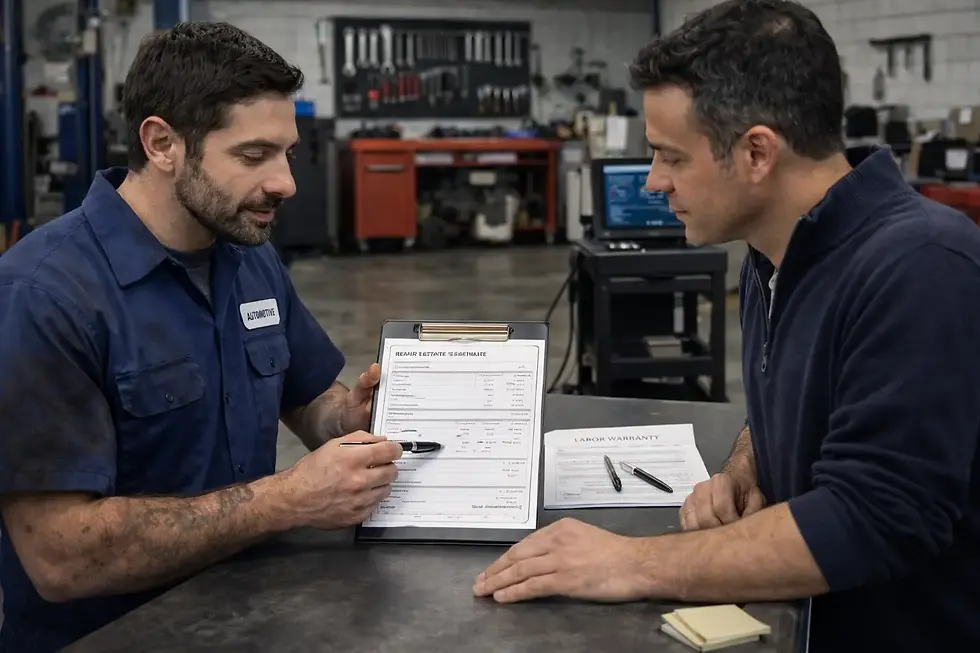
A reputable shop takes the time to explain pricing in detail before work begins. Clear estimates help vehicle owners understand where their money is going and allow them to make informed decisions about repairs and optional recommendations.
Pricing details that should be clear upfront:
Labor structure, including whether the job is billed at a flat rate or hourly, and exactly what tasks are included in the estimate.
Itemized additional costs, such as fluids, programming, calibrations, diagnostic time, and any recommended supporting repairs that may affect the total cost.
Transparent pricing builds trust, sets realistic expectations, and allows vehicle owners to plan financially without unpleasant surprises once the work is underway.
6. Reviews That Reflect Real Work
Online reviews can be a powerful research tool when interpreted correctly. For major repairs like used engine or transmission installations, simple star ratings do not provide enough information to assess a shop’s true capabilities. Meaningful reviews go beyond general praise and describe real repair experiences.
High-quality reviews often mention the type of work performed, how challenges were handled, and whether the vehicle remained reliable after the repair. These details offer valuable insight into a shop’s experience, communication practices, and overall professionalism.
How to read reviews effectively:
Focus on reviews that specifically mention engine or transmission installations, particularly those involving used components or major mechanical work.
Pay attention to feedback about communication and problem resolution, including how the shop handled delays, unexpected issues, or warranty concerns.
Consistent, detailed reviews from real customers paint a far more accurate picture of a repair shop’s reliability than perfect ratings with little explanation.
7. Willingness to Handle Used Parts Properly
Some repair shops choose not to install customer-supplied engines or transmissions due to liability concerns. While this policy does not automatically indicate poor service, reputable shops that specialize in used powertrain installations have established procedures to manage risk and ensure quality outcomes.

Proper handling of used parts protects both the shop and the vehicle owner. Verification steps help prevent installing incompatible, damaged, or misrepresented components that could fail shortly after installation.
Responsible used-part handling includes:
Verification of mileage documentation and inspection of visible condition, ensuring the component meets acceptable standards before installation.
Direct communication with suppliers or salvage yards, addressing compatibility questions or condition concerns before any labor begins.
Shops that follow these practices demonstrate professionalism, accountability, and a genuine commitment to successful long-term results
Comparison: Experienced Used-Install Shops vs. Inexperienced Shops
Criteria installation | Experienced Used-Install Shop | Inexperienced Shop |
Preparation | Inspects, reseals, and verifies compatibility | Little or no preparation |
Diagnostics | Full vehicle inspection before installation | Installs first, diagnoses later |
Labor Warranty | Written 6–12 months | None or minimal |
Pricing | Clear estimates and documentation | Unclear or changing costs |
Used Part Verification | Confirms mileage and condition | Installs without verification |
Frequently Asked Questions (FAQ)
Is installing a used engine or transmission worth it?
Yes. When performed by an experienced professional, it’s a cost-effective way to extend a vehicle’s life.
How long does installation take?
Installation typically takes a few days, depending on the complexity of the vehicle, the diagnostics, and any necessary calibrations or repairs.
Should supporting components be replaced?
Yes. Replacing accessible seals, gaskets, hoses, and wear items during installation reduces future labor costs and failures.
What is the biggest mistake car owners make?
The biggest mistake car owners make is selecting a shop solely based on price, rather than considering factors such as experience, warranty coverage, diagnostics, and transparency.
Final Thoughts
Installing a used engine or transmission isn’t just a parts decision; it’s a craftsmanship decision. The repair shop’s experience, diagnostic approach, and accountability determine whether the repair succeeds long-term.
Choosing a skilled, transparent, and experienced mechanic dramatically increases the likelihood that a used powertrain installation will deliver reliability, value, and peace of mind.


