
What U.S. Auto Shops Check Before Approving a Used Engine Installation
Updated: Apr 1
Introduction: Why “Shop Approval” Is the Step Most Buyers Miss
In the U.S., a used engine install isn’t just a matter of finding a shop with an opening on the schedule. Professional shops “approve” a used engine installation the same way they would approve any high-liability repair: they verify compatibility, emissions legality, and whether they can stand behind the outcome. If they can’t, a refusal is usually a risk decision, not laziness, and not a personal judgment about where you bought the engine.

After 10+ years in real shops dealing with engine replacements, VIN mismatch cases, emissions inspection failures, warranty disputes, and post-install drivability problems, I can tell you this: most costly used engine mistakes happen before the first wrench turns. They happen when the engine gets purchased and delivered without a pre-approval conversation, then the owner gets stuck trying to convince a shop to “just install it.”
This article breaks down what experienced U.S. auto shops check before approving a used engine installation, why those checks exist, and how to use the same logic to protect yourself from expensive surprises.
What do shops check before installing a used engine?
Why won’t a shop install my used engine?
Do I need VIN matching for a used engine swap?
Will a used engine pass emissions in my state?
What paperwork do I need for a used engine warranty claim?
What scan tools are needed after an engine replacement?
Should I talk to a mechanic before buying a used engine?
Can a shop refuse a used engine after saying yes?
A Real Failure Scenario: Why Three Shops Refused Before We Said Yes
Several years ago, a customer brought in a late-model sedan that had been sitting in his driveway for weeks. He had already purchased a used engine online, had it delivered to his house, and assumed any reputable shop would install it. Three shops turned him away before he found us. When I asked why the others refused, his answer was simple: “They said they couldn’t approve the engine.”

When we inspected it, the reason became obvious. The engine was the wrong emissions variant for his state, the VIN didn’t fully match the vehicle’s calibration, and several critical sensors were missing. Nothing was technically “broken,” but installing that engine would have put the shop at legal, mechanical, and warranty risk. The engine itself wasn’t bad; the situation was.
This is something I’ve dealt with my entire career. Customers often believe shops refuse used engine installations because they don’t want the work. In reality, most refusals happen because professional shops are trained to evaluate risk before they ever touch a wrench. Approving a used engine installation isn’t about willingness; it’s about responsibility.
This article explains exactly what experienced US auto shops check before approving a used engine installation, why those checks exist, and how understanding them can save you from expensive surprises.
Why This Problem Happens So Often in the United States
Engine replacement is uniquely common in the United States. Vehicles rack up high mileage, labor costs make rebuilding less attractive, and online marketplaces make used engines easy to buy. That combination puts pressure on repair shops to install engines they didn’t source. From the shop side, that’s a major shift, because the installer inherits unknowns they didn’t control.
At the same time, US shops operate in a legal and regulatory environment that doesn’t give much forgiveness for mistakes. If a shop installs an engine that fails emissions rule inspection, causes a drivability issue, or voids a warranty, the liability often falls on the installer, even if the engine came from somewhere else. In practice, the customer usually comes back to the shop first, not the online seller.

Another factor is specialization. Many general repair shops do excellent brake, suspension, and maintenance work, but rarely perform engine replacements. Used engine installation is a specialty task, and shops that don’t do it regularly are more cautious for good reason. A refusal can be a sign of professionalism: “We don’t do enough of these to guarantee the outcome you need.”
What Most Buyers Get Wrong Before They Even Start Shopping
The biggest misconception is that buying a reliable engine is the hard part, and installation is routine. In reality, experienced shops spend more time verifying compatibility than physically installing the engine. The actual swap is a process; the risk is usually hidden in the details that happen before and after.
Another misunderstanding is assuming that “used engine” means a single, standardized product. In modern vehicles, there can be multiple engine variants in the same model year, each with different emissions equipment, sensors, or internal configurations. A listing that says “fits your year/make/model” may still be incomplete if it doesn’t account for VIN-based differences.
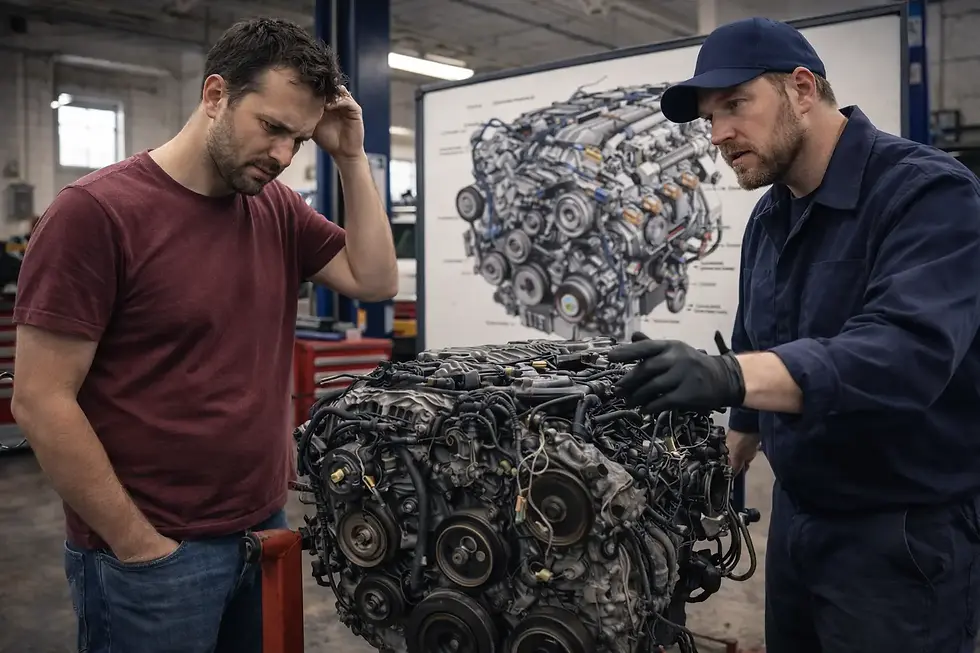
Finally, buyers often think that once money has changed hands for the engine, the shop should “make it work.” That’s not how professional liability works. Shops approve installations before committing to the job, not after problems appear. If you push a shop to install first and diagnose later, you’re asking them to accept unlimited responsibility for a decision they didn’t get to control.
VIN Matching: The Single Most Important Approval Gate
Every professional shop starts with VIN matching. This goes far beyond confirming the year, make, and model. Shops check engine codes, production dates, emissions packages, and software compatibility. That’s not “extra”, it’s what prevents the install from turning into months of drivability complaints and check-engine light battles.

I’ve personally seen engines that bolted in perfectly but triggered constant fault codes because the internal logic didn’t match the vehicle’s control module. No amount of parts swapping fixed it because the VIN mismatch was baked into the calibration. The vehicle might start, idle, and even drive, but it never behaves “right,” and it never becomes predictable.
Shops that approve installations without VIN verification are taking a gamble. Experienced shops won’t do that, because once the engine is installed, they own the outcome. This is also where a good shop will document what they confirmed, because VIN matching is not just compatibility, it’s protection when questions come up later.
Emissions Compliance and State Rules: What the Shop Has to Protect You From
Emissions compliance is one of the biggest approval hurdles. Federal EPA rules set a baseline, but many states, especially CARB states, have stricter requirements. If a shop installs an engine that doesn’t meet the registration state’s rules, it can create a situation where the vehicle runs but can’t pass inspection.

Before approving an installation, shops check whether the engine meets the emissions standards of the state where the vehicle is registered. That includes engine family numbers, emissions labels, and compatibility with existing emissions equipment. A serious installer will ask where the car is titled/registered for a reason, because legality is tied to that location, not where the engine came from.
Installing a non-compliant engine can make a vehicle impossible to register. Shops that understand this protect both themselves and the customer by refusing risky installs upfront. If a shop is asking “CARB or federal?” and you’re not in California, don’t dismiss it—that’s exactly the kind of awareness that prevents expensive surprises.
Mileage, Testing, and Engine Condition: What Actually Determines Shop Confidence
Contrary to popular belief, mileage alone rarely determines approval. Shops look at condition indicators that tell a deeper story. A clean-looking odometer number can hide overheating, sludge, poor storage, or oil contamination. A higher-mileage engine with a solid maintenance story can be a safer bet in the real world.
Professional installers evaluate compression history, oil condition, visible sludge, external leaks, and signs of overheating. They also consider how long the engine has been sitting and how it was stored. An engine that sat outside with open ports, missing plugs, or questionable handling can create problems that don’t show up until it’s installed and heat-cycled.
I’ve approved higher-mileage engines that showed excellent maintenance history and rejected low-mileage engines that showed signs of neglect. Experience teaches you what numbers can’t. Shops that approve an engine based only on a mileage claim are not doing real risk control.
Engine Codes, Variants, and Hidden Differences That Trigger Post-Install Problems
Modern engines are not interchangeable just because they look similar. Differences in cam timing systems, fuel delivery, cylinder deactivation, and engine sensor logic matter. A used engine install can be mechanically perfect and still end up with persistent codes, poor fuel economy, rough idle, or readiness problems if the variant isn’t correct.

Shops check engine codes carefully because installing the wrong variant often leads to subtle but persistent problems, hard starting, poor fuel economy, or failed readiness monitors. Those are the worst issues for customers because they don’t always show up as an obvious “it won’t start.” They show up as a car that keeps coming back.
These issues don’t always show up immediately. That’s why experienced shops catch them before installation, not after. Approving the right engine is cheaper than diagnosing “why does it run weird?” after labor has already been spent.
What Online Engine Listings Usually Don’t Tell You (and What the Shop Has to Verify)
Online listings rarely list what’s missing. Accessories, wiring sections, intake components, exhaust manifolds, and brackets are often not included. The customer sees “engine assembly,” the shop sees “engine plus all the transfers and unknowns we need to account for.”

Before approving installation, shops determine what must be transferred from the old engine and whether those parts are reusable. Missing or damaged components can delay installation or create post-install failures. Even simple things, broken connectors, cracked vacuum fittings, and wrong brackets, can derail an install timeline and create finger-pointing.
Shops also check whether programming, relearning, or software updates will be required. Without the proper scan tools, those steps cannot be completed correctly. This is one of the biggest hidden approval issues: a shop might be able to physically install the engine, but without the right scan capability, they can’t complete the job properly.
Warranty Reality After Installation: Why Documentation Is Part of Approval
This is one of the most important approval considerations. Many used engine warranties require professional installation and documentation. That means the shop has to be confident that they can document what the warranty expects, because if a claim happens later, the shop’s records become part of the decision.
Shops verify whether the warranty terms align with their installation process. If a warranty requires steps the shop cannot verify or document, they may refuse the job. That refusal isn’t about avoiding work—it’s about avoiding a situation where the customer expects warranty support and the paperwork doesn’t meet the requirements.
I’ve seen warranty claims denied because installation records were incomplete. Shops that understand this protect themselves by approving only installations they can stand behind. Good shops will tell you up front what they document and why it matters, because they’ve lived through the disputes.
Installation Reality in the United States: Tools, Scheduling, and Workflow
Engine installation in the US involves more than mechanical skill. Shops must have lifts, engine support fixtures, factory-level scan tools, and proper workspace. Approval depends on whether the shop is equipped to do the job without shortcuts that create comebacks.
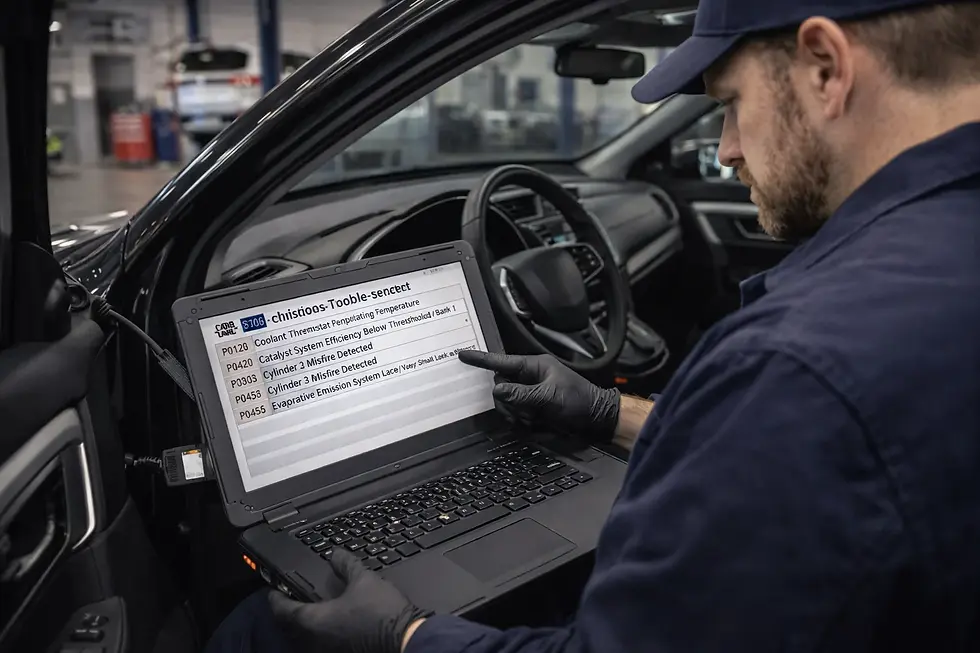
Approval also depends on scheduling and workflow. Engine swaps disrupt normal shop operations, so approval includes evaluating whether the shop can dedicate the necessary time and resources. A shop that is slammed with daily maintenance work may not want a multi-day engine swap tying up a bay, and that’s a legitimate operational constraint.
Shops that rush engine installations are more likely to miss details. Experienced shops know when to say no. In my experience, the shops that refuse questionable installs are often the same shops that deliver the cleanest outcomes when they do accept a job.
The Most Expensive Mistakes I’ve Seen Customers Make
The most expensive mistake is assuming a refusal means a shop is uncooperative. In reality, refusals often prevent much larger losses. A shop saying “I can’t approve this engine” is often saving the customer from paying labor twice.
Another costly mistake is buying an engine before consulting an installer. Once the engine is purchased, options shrink dramatically. If the engine is wrong, missing parts, or non-compliant for emissions, the buyer is suddenly negotiating returns, freight, restocking, and time, while the car sits.
I’ve also seen customers push shops to “just try it.” Those jobs often end in disputes, additional costs, and vehicles sold at a loss. The job becomes emotionally charged because the customer is already financially committed, and the shop is trying to control risk after the fact.
Step-by-Step Checklist Shops Use Before Approving a Used Engine Installation

This is the same checklist many shops use internally:
Verify VIN and engine code compatibility
Confirm emissions compliance for the registration state
Inspect engine condition documentation
Identify missing components
Confirm programming and relearn requirements
Review warranty installation terms
Assess shop tooling and scheduling
Clarify post-install responsibility
If an engine fails early in any of these steps, approval stops. That’s not “being picky.” That’s how professional shops avoid turning your vehicle into an ongoing problem. When a shop follows this checklist, it usually means they’ve already seen what happens when these steps are skipped.
FAQs From Real U.S. Vehicle Owners
What do shops check before installing a used engine?
They check VIN compatibility, emissions compliance for your registration state, engine condition indicators, missing components, programming/relearn needs, warranty requirements, and whether they have the tools/time to do it correctly. It’s a risk review as much as a mechanical review.
Why won’t a shop install my used engine?
Most refusals happen because the shop can’t approve the risk, wrong engine variant, emissions mismatch, missing sensors/components, uncertain warranty terms, or lack of scan-tool capability. A refusal often means the shop understands how bad it gets when the job goes sideways.
Do I need VIN matching for a used engine swap?
Yes. VIN matching is the foundation of a predictable install, especially on late-model vehicles. “Same year and engine size” is not a complete compatibility check in real-world shop conditions.
Will a used engine pass emissions in my state?
It can, but only if it’s the correct emissions configuration for your registration state and the vehicle’s calibration expectations. This is a major approval point in CARB states, and it still matters in many non-CARB areas.
What scan tools are needed after an engine replacement?
Many vehicles need throttle relearns, crank variation relearns, module resets, and readiness checks. Without the right diagnostic scan tools, a shop may get the engine running but not complete the job correctly.
What paperwork do I need for a used engine warranty claim?
Most warranties expect proof of professional installation and basic documentation (repair order, VIN verification, fluids used, scans or at least recorded procedures). If the shop can’t document what the warranty requires, that’s a common reason they won’t approve the job.
Should I talk to a mechanic before buying a used engine?
Always. It’s the single best step you can take. A short pre-approval conversation can prevent buying the wrong engine and getting stuck with freight, restocking fees, and a vehicle that can’t be finished.
Can a shop refuse a used engine after saying yes?
Yes, if new information appears before installation begins, such as missing parts, updated VIN decoding, emissions label issues, or warranty terms that don’t line up. A professional shop would rather stop early than create a bigger problem later.
Final Advice From a 15+ Year Automotive Engineer
When a US auto shop evaluates a used engine installation, they are not judging your purchase, they are protecting you, themselves, and the vehicle. Approval is based on compatibility, compliance, condition, and accountability, not convenience.
In my career, I’ve seen countless situations where a simple pre-approval conversation would have prevented thousands of dollars in losses. The shops that take the time to check these details are not being difficult; they’re being professional.
If you understand what shops check before approving a used engine installation, you can make smarter decisions, avoid wasted money, and choose partners who value long-term outcomes over quick jobs. That’s how used engine replacements succeed in the United States, consistently, legally, and responsibly.
Author Credibility
This article is based on 10+ years of hands-on U.S. shop experience involving engine replacements, used engine installation approvals and refusals, VIN matching troubleshooting, emissions compliance realities (including CARB considerations), post-install drivability diagnostics, and warranty dispute outcomes. The guidance reflects real shop-level decision-making, what experienced installers check, why they check it, and what typically happens when those steps are skipped.


